



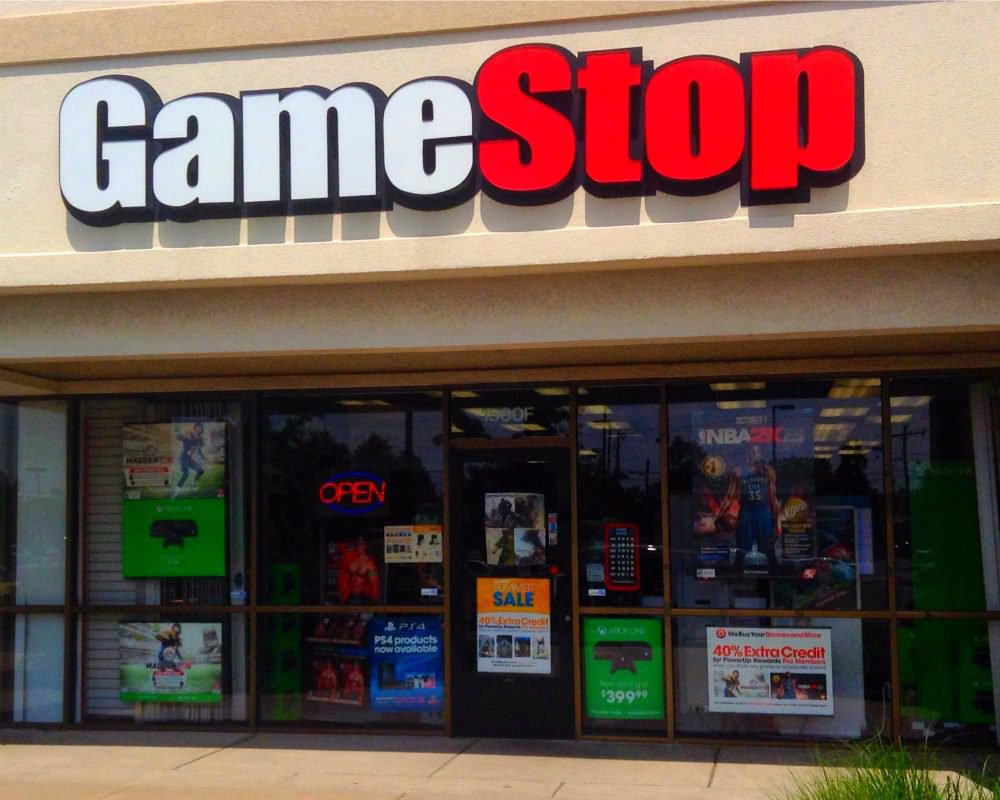
GameStop (GME) surged nearly 5% Tuesday after CEO and Chairman Ryan Cohen made another multimillion-dollar bet on the video game retailer, adding new momentum to a rally that has lifted shares roughly 30% over the past month
Cohen purchased approximately 1.15 million GameStop shares on Sept. 21 for approximately $26.4 million, paying a weighted average of $22.94 per share. The purchase brings his direct ownership to nearly 40.5 million shares and comes less than two weeks after he bought another 1 million shares for roughly $20.4 million.
The insider buying arrives as GameStop looks increasingly different from the struggling brick-and-mortar retailer that originally fueled the meme-stock phenomenon. The company is shrinking its traditional retail footprint while accumulating billions in financial assets, building its collectibles business and exploring much larger strategic moves.
Cohen Doubles Down on GameStop
Cohen’s latest purchase was made at prices ranging from $22.76 to $23.02, according to an SEC filing. The size and timing attracted investors because Cohen has repeatedly used his own capital to increase his GameStop exposure. The latest transaction follows his Sept. 10 purchase of 1 million shares at an average price of roughly $20.38. GameStop shares have rallied sharply since then, climbing above $23 during Tuesday trading.
GameStop’s Numbers Are Changing
The company’s latest quarter showed substantial improvement in profitability even as overall sales continued to contract. GameStop reported record second-quarter operating income of $160.2 million and raised its full-year adjusted EBITDA forecast to more than $650 million.
- Net sales: $790.2 million, down from $972.2 million a year earlier.
- Adjusted EBITDA: $174 million, up from $75.7 million.
- Collectibles sales: $356.3 million, up 57% and representing 45.1% of total sales.
- Cash, securities and digital assets: $5.4 billion at quarter-end.
- eBay investment: Approximately 43.4 million shares valued at $4.9 billion as of Aug. 1.
- Long-term debt: Reduced to roughly $2.8 billion after retiring about $1.4 billion in convertible notes.
The numbers show GameStop’s unique position. Its core revenue continues to decline, but margins and profitability have improved dramatically while collectibles have become a much larger part of the business.
The eBay Bet Looms Large
GameStop’s investment in eBay has also become central to its strategy. The company previously made an unsolicited $56 billion offer to acquire the online marketplace, which eBay rejected. Reuters reported in August that Cohen was considering withdrawing the takeover proposal and potentially pursuing a partnership or joint venture instead.
Such an arrangement could combine eBay’s online marketplace with GameStop’s physical store network, particularly in categories such as trading cards and collectibles. The financial exposure itself is significant. GameStop held roughly $4.9 billion of eBay shares at the end of its second quarter, meaning movements in eBay stock can now have a meaningful effect on GameStop’s reported investment results.
Collectibles Become a Bigger Piece of the Story
GameStop’s shift toward collectibles may ultimately prove just as important as its investment strategy. Collectibles generated $356.3 million in quarterly sales, increasing 57% from a year earlier and accounting for roughly 45% of total revenue.
That growth is helping offset continued deterioration in GameStop’s legacy video game retail operation. The company has closed stores and divested international operations as physical game sales face long-term pressure from digital distribution. The result is a company increasingly centered around higher-margin collectibles, a large investment portfolio, and capital allocation rather than simply selling new and used video games.
Looking Ahead
Cohen’s latest purchase gives investors another signal that GameStop’s leadership remains financially committed to the transformation, but the next phase will depend on execution. Investors will be watching whether collectibles can sustain their rapid growth, whether profitability continues improving despite falling revenue, and what GameStop ultimately decides to do with its enormous eBay position. The balance sheet also gives Cohen significant flexibility for acquisitions, investments, or other strategic moves. With GameStop stock already up sharply over the past month, however, attention is shifting from the insider buying itself toward whether the company’s unconventional transformation can produce durable earnings growth.