



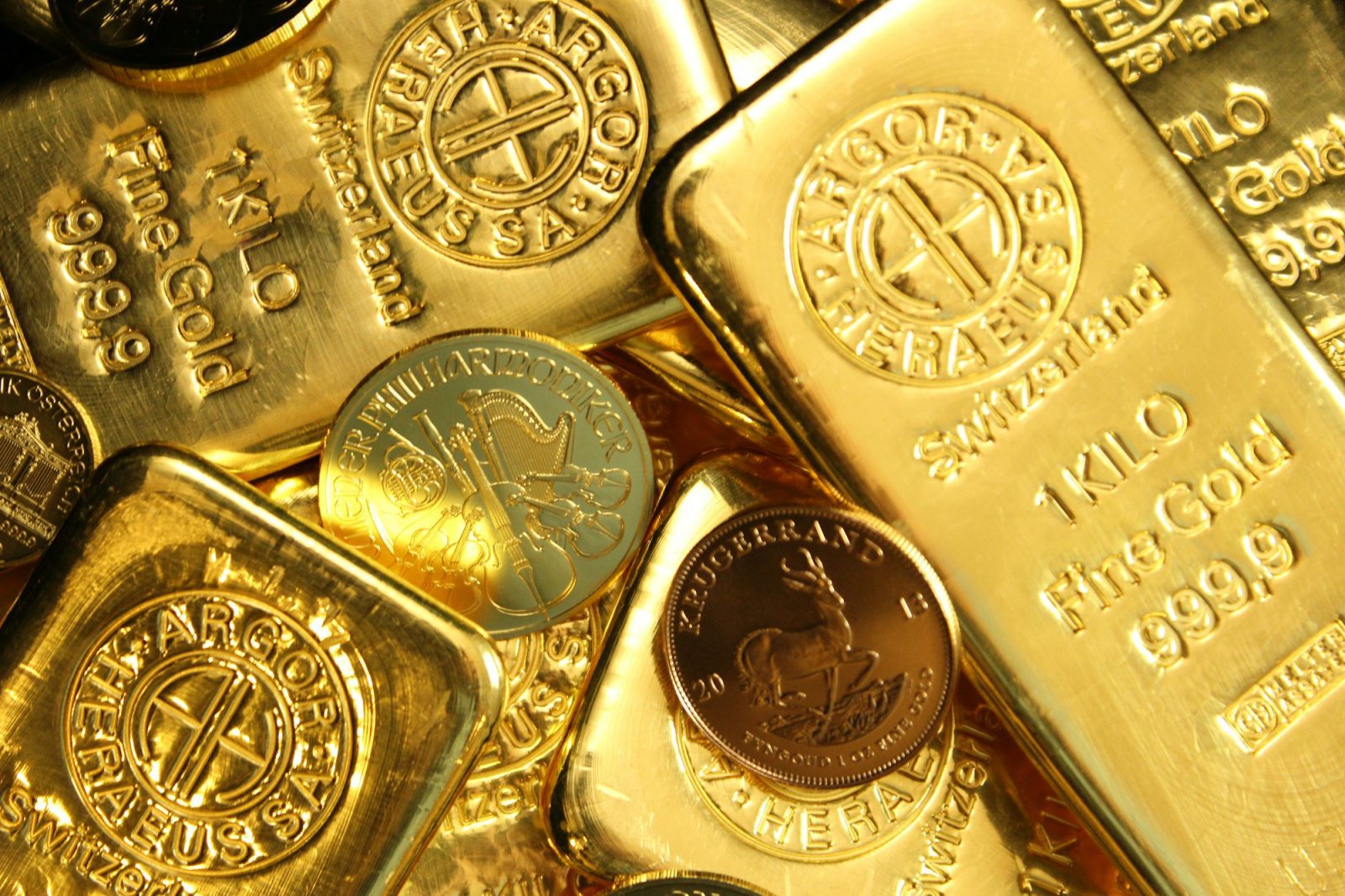
Gold prices surged to fresh record highs on Wednesday, with futures briefly climbing above $5,300 an ounce as a weakening U.S. dollar reignited demand for hard assets. The move capped a powerful run for bullion, which has gained roughly 20% year to date as investors question the durability of fiat currencies and government debt.
The rally cooled slightly after the initial spike, but gold remained elevated as markets digested a rare combination of macro tailwinds: currency weakness, expectations for easier monetary policy, and rising geopolitical risk. According to reporting from Reuters and Bloomberg, the pace and breadth of the move underscore gold’s role as a preferred hedge amid growing policy uncertainty.
Dollar Weakness Fuels the Debasement Trade
A softer dollar has been a key driver of gold’s surge. The U.S. currency recently slid to its lowest level in nearly four years before stabilizing, after President Trump dismissed concerns about the decline. CNN and Reuters note that the drop has amplified investor interest in assets perceived as stores of value, particularly gold.
Market strategists describe the environment as a classic “debasement trade,” where investors rotate away from paper currencies and bonds into tangible assets. Analysts at major banks told Bloomberg that persistent fiscal deficits and swelling debt loads are eroding confidence in fiat systems, making gold increasingly attractive despite its elevated price level.
Fed Policy and Leadership Speculation Add Momentum
Expectations around Federal Reserve policy have further strengthened the case for bullion. While the Fed is widely expected to hold rates steady at the conclusion of its meeting on Wednesday, traders are closely watching Chair Jerome Powell’s comments for signals on future easing.
Adding to the uncertainty, prediction markets and analyst commentary have highlighted speculation around who President Trump may nominate as the next Fed chair. According to Bloomberg, some investors believe a more dovish successor could accelerate rate cuts, reinforcing the appeal of non-yielding assets like gold in a lower-rate environment.
Geopolitical Risks and Central Bank Demand
Geopolitical tensions have also played a crucial role in the rally. President Trump’s warning that a “massive Armada” is headed toward Iran has injected fresh unease into global markets, boosting safe-haven demand. Reuters reports that central banks, particularly in emerging markets, continue to be steady buyers of gold as they diversify reserves away from U.S. Treasurys.
That structural demand has helped insulate gold from short-term pullbacks, even as prices climb to unprecedented levels. Analysts note that central bank accumulation has become a more consistent pillar of support than in past cycles.
Broader Metals Rally Reflects Inflation Hedges
Gold’s surge has spilled over into the broader metals complex. Silver briefly jumped above $110 an ounce and is up nearly 50% this year, driven by a mix of industrial demand, supply constraints, and speculative inflows. Platinum hovered near record highs, while copper prices remained elevated after recently topping $13,000 a ton in London. Bloomberg reports that the synchronized move across metals suggests investors are positioning not just for near-term volatility, but for a longer period of currency instability and inflation risk.
Looking Ahead
With gold trading at historic highs, the next phase of the rally may hinge on how the Fed frames the policy outlook and whether dollar weakness resumes. Any signal that rate cuts are approaching sooner than expected could keep upward pressure on bullion, even after such a sharp run. At the same time, elevated prices raise the risk of consolidation. Investors will be watching whether central bank buying and geopolitical stress are enough to sustain momentum—or if gold pauses before attempting another leg higher.