



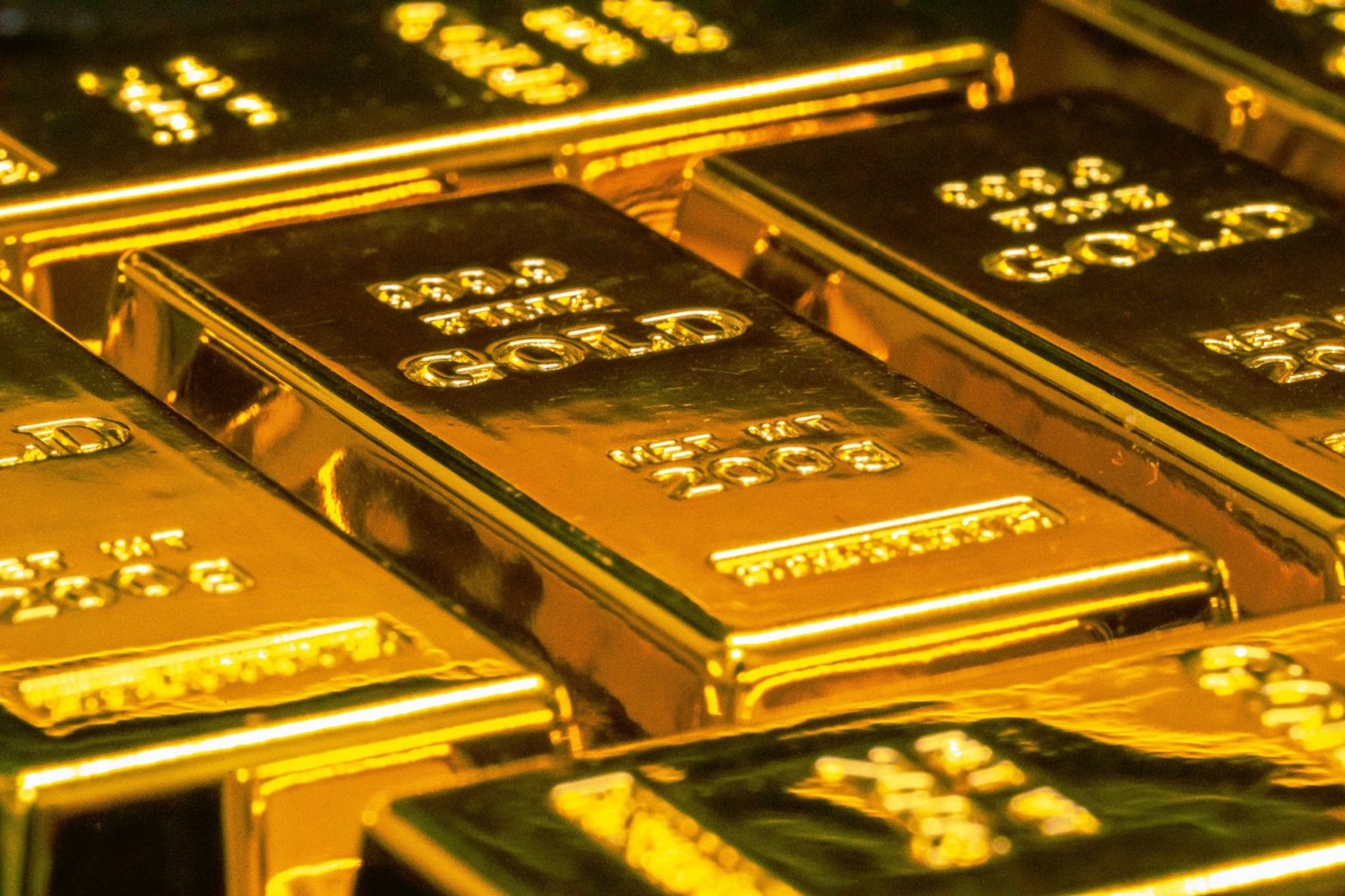
Gold hit its highest level in more than three months on Tuesday, extending a powerful August rally as investors sought protection from geopolitical uncertainty, inflation risks and growing concerns about the U.S. fiscal outlook. December gold futures opened at $4,710.10 per ounce, up 0.3% from Monday’s close, before pulling back modestly in morning trading.
The precious metal has gained roughly 16% over the past month and nearly 40% from a year ago. Tuesday’s retreat from the session highs suggests some profit-taking is emerging, but the forces behind the recent rally — from Treasury market intervention to Middle East tensions — remain firmly in focus.
Treasury Intervention Adds Fuel to Gold’s Rally
One of the biggest catalysts has come from an unusual corner of financial markets: the U.S. Treasury. The department recently announced plans to at least double the size of buybacks targeting longer-dated government debt, increasing operations from $2 billion to at least $4 billion.
The announcement initially pushed Treasury yields lower and weakened the dollar, helping drive investors toward alternative stores of value. Gold jumped alongside bonds following the announcement, while concerns that the intervention could ultimately contribute to currency debasement have added another argument for holding the metal.
Inflation and Fed Policy Take Center Stage
Gold’s rally now faces a major test from U.S. monetary policy. Investors are awaiting the PCE inflation report, the Federal Reserve’s preferred inflation gauge, as well as Fed Chair Kevin Warsh’s closely watched Jackson Hole speech later this week.
The latest Fed minutes showed policymakers remain concerned about inflation, with some officials open to higher rates if price pressures fail to ease. That creates a complicated setup for gold: persistently high inflation could strengthen its appeal as a hedge, while a more hawkish Fed and higher real yields could make the non-yielding metal less attractive.
Geopolitical Risk Keeps Safe-Haven Demand Alive
Middle East tensions are providing another layer of support. Washington has expanded its sanctions campaign against Iran, while uncertainty surrounding the Strait of Hormuz continues to keep investors alert to the possibility of another escalation.
The risk premium has eased somewhat as oil prices retreat, but it has not disappeared. Iran has vowed to retaliate following expanded U.S. sanctions, leaving gold well positioned to attract fresh safe-haven demand if tensions intensify again.
Gold’s Momentum Remains Strong
Despite Tuesday’s pullback, the broader trend remains firmly positive. Gold has climbed 6.7% in a week and 15.8% over the past month, while Monday marked its fourth consecutive winning session. Demand also extends beyond short-term traders. China’s net gold imports through Hong Kong rose 11% month over month, adding to evidence that physical and institutional demand continues to underpin the market even at elevated prices.
Looking Ahead
Gold’s next move could hinge on whether this week’s economic and policy signals reinforce or challenge the forces behind its three-month high. A softer inflation reading or less hawkish message from Warsh could pressure yields and give bullion another opening to move higher, while stubborn inflation paired with tighter monetary policy could trigger a deeper pullback. For investors, the bigger question is whether gold’s latest surge is simply another safe-haven burst or part of a longer shift toward hard assets amid concerns over inflation, government debt and the dollar. With gold already near $4,700, this week’s PCE data and Jackson Hole speech could determine whether the rally has enough momentum for its next leg higher.