



Intel (INTC) has become one of Wall Street's biggest comeback stories in 2026, with shares surging approximately 200% year to date despite a recent pullback. The chipmaker's rally has pushed the stock further above its 200-day moving average than at any point in the company's history, even surpassing the extremes reached during the dot-com bubble over two decades ago.
The remarkable run reflects a big shift in investor sentiment. After years of losing manufacturing leadership and struggling to keep pace with rivals, Intel has regained momentum by improving chip technology, growing foundry ambitions, and renewed confidence in CEO Lip-Bu Tan's turnaround strategy. While the stock has cooled in recent sessions alongside the broader semiconductor sector, analysts say Intel's transformation has fundamentally changed how investors view the company.
Technical Momentum Reaches Historic Levels
One of the clearest signs of Intel's resurgence has come from its technical performance. The stock is now trading further above its 200-day moving average than at any other point in company history, a milestone that underscores just how strong the rally has become. The 200-day moving average is closely watched by institutional investors as a measure of long-term momentum. Stocks that remain well above the indicator are generally viewed as being in strong uptrends, often attracting additional buying from momentum-focused investors and quantitative funds.
Manufacturing Turnaround Builds Confidence
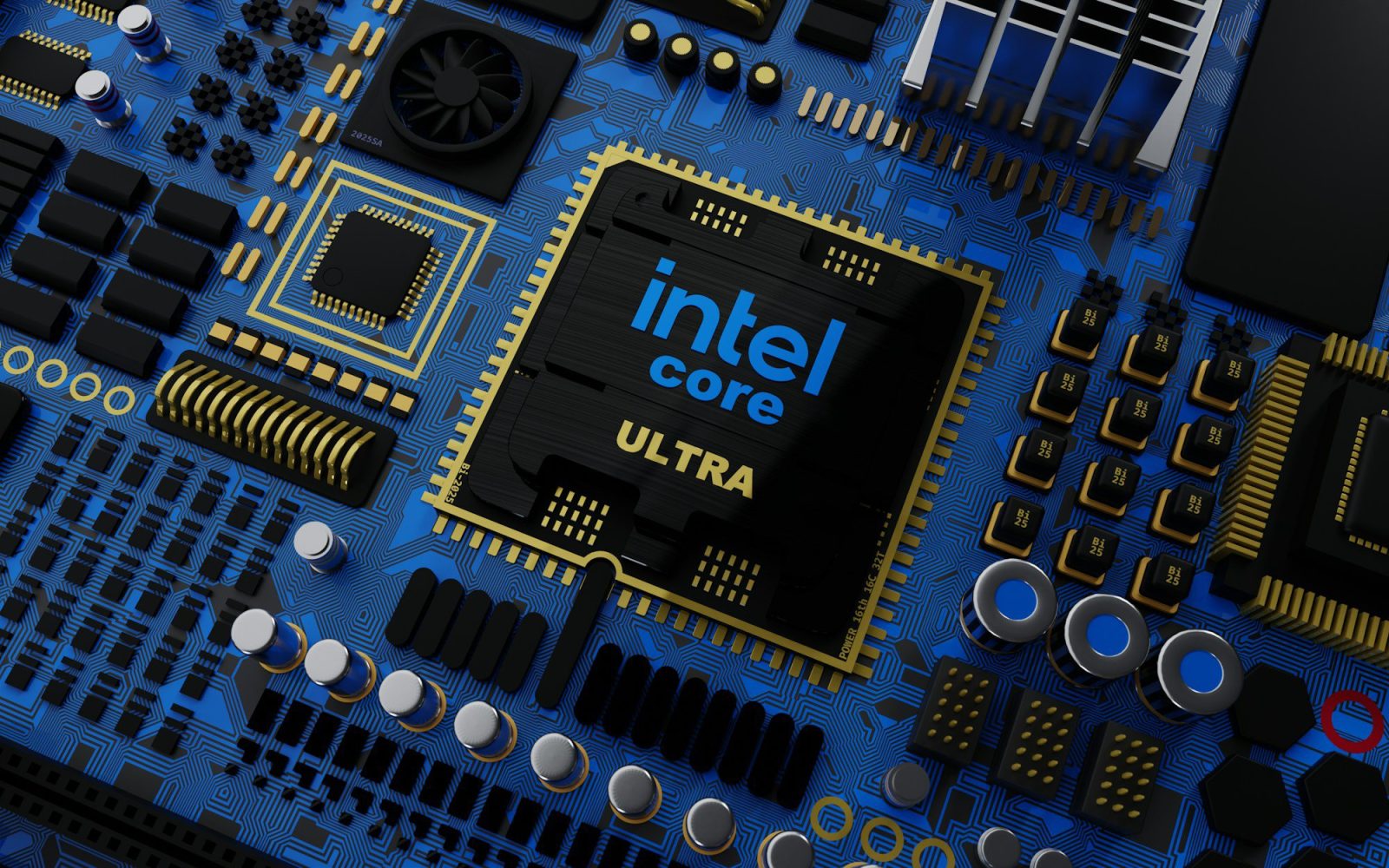
Much of Intel's renewed optimism stems from tangible progress in its manufacturing business. The company has continued advancing its 18A process technology, a critical milestone as it seeks to reestablish itself as a leading-edge semiconductor manufacturer. Intel has also begun shipping its next-generation Core Ultra Panther Lake processors while expanding its foundry business, which aims to manufacture chips for outside customers. Analysts expect customer engagements to accelerate through the second half of 2026 and into 2027 as more advanced manufacturing capacity comes online.
AI and U.S. Chip Production Drive Investor Optimism
The broader AI boom has also provided a significant tailwind for Intel. Reports that major tech companies, including Apple and Google, are exploring partnerships with Intel to design and manufacture chips domestically have strengthened the investment case for the company. Those developments align with ongoing efforts to expand semiconductor manufacturing in the United States, supported by government incentives and increased demand for geographically diversified supply chains. Investors increasingly view Intel as one of the primary beneficiaries of that long-term trend.
Valuation Questions Begin to Emerge
Despite the strong turnaround narrative, Intel's rapid advance has prompted some caution on Wall Street. Shares have pulled back from recent highs as investors took profits during a broader semiconductor sell-off, highlighting how quickly sentiment can shift in a volatile technology sector.
Some analysts note that much of the expected operational improvement is now reflected in the stock price. Going forward, Intel will likely need to continue executing on its manufacturing roadmap, winning additional foundry customers, and demonstrating sustained earnings growth to justify its premium valuation.
Looking Ahead
Intel enters the second half of 2026 with significantly improved momentum, stronger investor confidence, and growing optimism surrounding its manufacturing and AI strategies. Upcoming earnings results, customer announcements, and updates on the company's foundry business will be closely watched for evidence that the turnaround continues gaining traction.
While recent volatility serves as a reminder that even the strongest-performing technology stocks can experience sharp pullbacks, Intel's transformation has reshaped its position within the semiconductor industry. Whether the company can sustain its historic rally will depend less on market enthusiasm and more on its ability to deliver continued operational progress in an increasingly competitive AI-driven chip market.